


Jeep Grand Cherokee Dashboard Light Guide
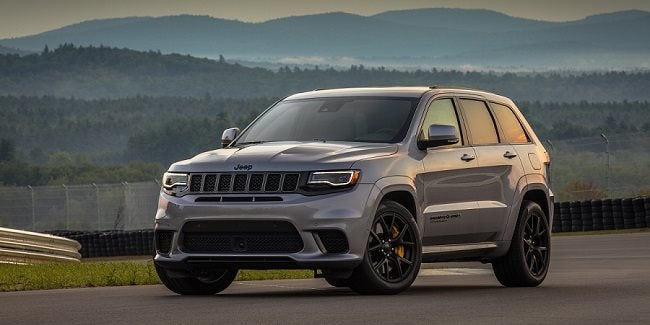
Jeep Grand Cherokee Dash Lights Guide
When you're driving down the road (or even off the roads) in New Holland, Lancaster, or Reading, PA, enjoying your new Jeep Grand Cherokee, you want to ensure that everything's working as it should at all times. When a dashboard light goes off, it can be a sudden stressor, especially if you're unsure what the light means.
That's why it can be a great idea to have a quick reference guide to your dashboard lights handy. This can save you the time spent digging through your owner's manual and allow you to address any problems at a glance. Download and keep this Jeep Grand Cherokee dashboard light guide from New Holland Chrysler Dodge Jeep Ram handy, so you'll always know exactly what's going on with your car.
Major Warning Lights
Red warning lights indicate a condition that needs immediate attention. When one of these issues appears, it’s essential to address it promptly to help protect your vehicle and ensure your safety.
Airbag Warning Light: This light turns on briefly when the vehicle starts as part of a system check. If it stays on or turns on while driving, it signals a fault in the airbag system that could prevent proper deployment during a collision.
Brake System Warning Light: A red “BRAKE” light indicates a possible issue with the braking system or that the parking brake is engaged. Because braking performance is critical to safety, this warning should be inspected as soon as possible.
Oil Pressure or Oil Temperature Warning: An oil lamp symbol indicates low engine oil pressure. If a thermometer appears above the oil symbol, it means the oil temperature is too high. Both warnings suggest the engine may not be receiving proper lubrication and should be checked immediately.
Engine Temperature Warning: A thermometer symbol with wavy lines signals that the engine is overheating. Driving with this light on can cause serious engine damage, so the vehicle should be stopped and inspected promptly.
Active Driving Assist – Driver Inattentiveness Warning: This warning appears when the system detects driver inattention. Visual and audible alerts prompt the driver to return their hands to the steering wheel and remain attentive while driving.
If any of these red warning lights appear, it’s best to take action right away rather than continue driving. Addressing the issue promptly can help prevent further damage and maintain the safe operation of your vehicle. When in doubt, stopping the car and having it inspected by trained technicians provides peace of mind and helps keep everything running as intended.
Potential Issue Warning Lights
Yellow or amber lights indicate systems that need attention soon but don’t usually require immediate stopping. These warnings should still be addressed to help prevent larger issues.
Check Engine Light (Malfunction Indicator Light): A yellow engine icon indicates the engine or emissions system has detected a fault. This could be something minor, such as a loose fuel cap, or something that requires diagnostic service.
Electronic Stability Control (ESC) Warning Light: This symbol, showing a vehicle with skid marks, indicates that the stability control system is either actively working or has detected a malfunction that may reduce traction assistance.
Tire Pressure Monitoring System (TPMS) Warning Light: An exclamation point inside a horseshoe-shaped symbol means one or more tires have low air pressure. Proper inflation helps support handling, fuel efficiency, and tire life.
Anti-Lock Brake System (ABS) Warning Light: The “ABS” symbol indicates a fault in the anti-lock braking system. While standard braking may still function, ABS assistance could be limited until the system is serviced.
These alerts are designed to catch concerns early, helping avoid more involved repairs later on. Addressing potential issues promptly helps keep your vehicle performing efficiently and supports its long-term reliability.*
Frequently Asked Questions
What should be done if a red dashboard light comes on while driving?
Red dashboard lights signal a condition that needs immediate attention. When one appears, it’s best to safely pull over as soon as possible and turn off the engine if needed. Continuing to drive could lead to further damage or affect vehicle safety. Having the vehicle inspected right away helps protect both performance and peace of mind.
Can yellow dashboard lights be ignored if the vehicle feels fine?
Yellow or amber lights don’t usually require stopping immediately, but they shouldn’t be ignored. These warnings are designed to alert drivers to systems that need attention soon. Addressing them early can help prevent more serious issues and keep the Jeep Grand Cherokee operating smoothly over time.
Who should inspect dashboard warning lights on a Jeep Grand Cherokee?
Dashboard warning lights are best evaluated by trained technicians who are familiar with Jeep systems. Certified service professionals have the tools and knowledge to diagnose the issue accurately and recommend the right solution, helping ensure the vehicle continues to perform as designed.
Service Your Jeep Grand Cherokee
If you have any questions about servicing your new Jeep Grand Cherokee in the Lancaster or Reading, PA, areas, we're ready to help. Contact New Holland CDJR and talk to one of our service representatives today!
*Source: 2026 Jeep Grand Cherokee Owners Manual
